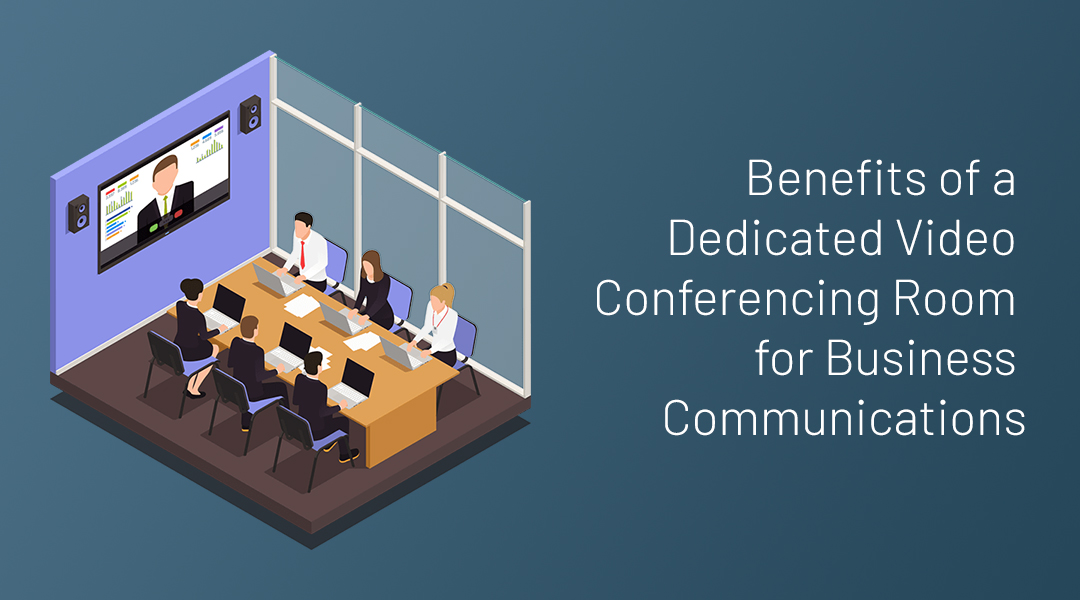
A video conferencing room is a dedicated space equipped with the camera, audio, display, and network hardware needed to run professional remote meetings. For businesses with teams across multiple locations or clients in different time zones, a well-equipped room delivers clear audio and video, a professional image, and reliable collaboration through a platform like Microsoft Teams. This guide explains why a dedicated room matters, which components it needs, and why Microsoft Teams is a strong platform choice.
Why Does a Dedicated Conference Room Matter?
A dedicated video conferencing room projects a more professional image, which matters most for businesses that frequently meet clients or partners. It also saves time and money, because it removes the need for expensive last-minute equipment rentals or repairs. Furthermore, a purpose-built room is optimised for video conferencing with the right lighting, camera positioning, and audio, so it consistently delivers better video quality and a more productive meeting environment.
What Are the Benefits of a Video Conferencing Room?
- Increased flexibility: The room supports remote working and meetings, which helps businesses with employees in multiple locations or clients across time zones
- Cost savings: Remote participation reduces travel costs and increases productivity
- Better video quality: Optimised lighting, camera positioning, and audio produce a noticeably clearer result
- Improved communication and collaboration: Real-time interaction between employees, clients, and partners leads to faster, better decisions
- Professional image: A polished setup makes a positive impression during client and partner meetings
What Components Does a Video Conferencing Room Need?
A successful video conferencing room combines several essential components:
- Camera: Captures clear, high-definition video of everyone in the room
- Microphone: Picks up audio clearly and without echo
- Speakers: Produce crisp audio loud enough for all participants to hear
- Display or projector: Lets participants see the people or presentation they are discussing, which is essential for demonstrations and shared viewing
- Reliable internet connection: Keeps video and audio quality stable and the platform running smoothly
Beyond the hardware, two further factors matter. First, privacy and security: businesses handling sensitive information should consider privacy screens or blinds, along with measures like password protection or multi-factor authentication so only authorised people can access the platform. Second, the software: choose a user-friendly, reliable platform such as Microsoft Teams that includes screen sharing, recording, and virtual backgrounds, and that is compatible with your existing hardware. Finally, training and support help employees use the technology confidently, which leads to smoother, more productive meetings.
Why Choose Microsoft Teams as the Platform?
Microsoft Teams integrates with other Microsoft 365 tools such as Outlook, SharePoint, and OneNote, which enables seamless collaboration and file sharing during meetings. It offers a range of features that make it a strong choice for video conferencing:
- Video and audio conferencing with up to 300 participants, suitable for large meetings and presentations
- Screen sharing and annotation during meetings
- Meeting recording for later review or for those who could not attend
- Virtual breakout rooms for small group discussions within larger meetings
- Built-in security and compliance features, including data encryption and compliance with international standards
- Access from the web and mobile apps, so employees can join from anywhere
- A shared whiteboard for real-time brainstorming and sketching
- AI-based noise suppression, background blur, and meeting transcription
FAQ
What is a video conferencing room?
A video conferencing room is a dedicated space equipped with a camera, microphone, speakers, display, and reliable internet connection, set up to run professional remote meetings through a platform such as Microsoft Teams.
What are the core components of a video conferencing room?
The core components are a high-definition camera, a clear microphone, quality speakers, a display or projector, and a strong, reliable internet connection. Privacy measures and the right software platform complete the setup.
How many participants does Microsoft Teams support in a meeting?
Microsoft Teams supports video and audio conferencing with up to 300 participants, which makes it suitable for large meetings and presentations.
What features make Microsoft Teams good for video conferencing?
Teams offers screen sharing and annotation, meeting recording, virtual breakout rooms, a shared whiteboard, built-in encryption and compliance, web and mobile access, and AI-based noise suppression, background blur, and transcription.
Why invest in a dedicated conference room instead of using laptops?
A dedicated room is optimised for lighting, camera positioning, and audio, so it delivers better quality and a more professional image than ad-hoc laptop calls. It also reduces the need for last-minute equipment rentals and creates a consistent, reliable meeting environment.