In 2026, Belgian SMEs should prioritize five IT domains: NIS2-driven cybersecurity, cost-controlled hybrid cloud, reduced dependence on expensive public cloud models, local Belgian data center strategy, and governed AI adoption. The common IT Trends 2026 theme is control. Control over risk, cost, compliance, and data location.
What Are the Most Important IT Trends in Belgium for 2026?
The most important IT trends for Belgian SMEs in 2026 are structural shifts in how infrastructure and security are managed, not experimental technologies.
The five priority areas are:
- NIS2 compliance and cybersecurity maturity
- Rising public cloud costs and workload reassessment
- Hybrid and private cloud adoption
- Local data center reliance and data sovereignty
- Operational AI with governance
These trends are directly influenced by European regulation, Belgian market realities, and financial pressure on SMEs.
How Does NIS2 Affect Belgian SMEs in 2026?
NIS2 is the European directive that strengthens cybersecurity and risk management obligations across EU member states.
It is used to improve resilience in essential sectors and their supply chains.
In Belgium, NIS2 has concrete implications:
- Certain SMEs fall directly under regulation.
- Many others are indirectly affected through contractual obligations with regulated customers.
This means companies must demonstrate:
- Formal risk assessments
- Incident response planning
- Continuous monitoring
- Access control policies
- Backup and recovery testing
In 2026, cybersecurity is no longer reactive IT support. It is documented governance aligned with European law.
Which Belgian Authorities Oversee NIS2 Implementation?
In Belgium, the implementation and supervision of NIS2 is coordinated by the Centre for Cybersecurity Belgium (CCB), the federal authority responsible for national cybersecurity strategy and regulatory alignment. The CCB provides guidance, sector classification, and supervisory frameworks that define which organizations fall under essential or important entity status.
For SMEs, this means NIS2 is not abstract European policy. It is translated into enforceable Belgian oversight through the CCB, sector regulators, and national legislation. When assessing compliance in 2026, reference to CCB guidance and Belgian implementing law is essential.
Put your NIS2 readiness on test
Why Are Public Cloud Costs Becoming a Strategic Concern?
Public cloud is a shared infrastructure model where computing resources are rented from global hyperscalers.
It is used for scalability and rapid deployment.
However, Belgian SMEs are increasingly reporting:
- Escalating monthly invoices
- Data egress fees
- Growing storage costs
- Licensing complexity
- Limited cost predictability
As workloads mature, unlimited scalability becomes less important than financial control.
In 2026, cost optimization is driving architectural reconsideration.
Why Are Hybrid and Private Cloud Gaining Ground in Belgium?
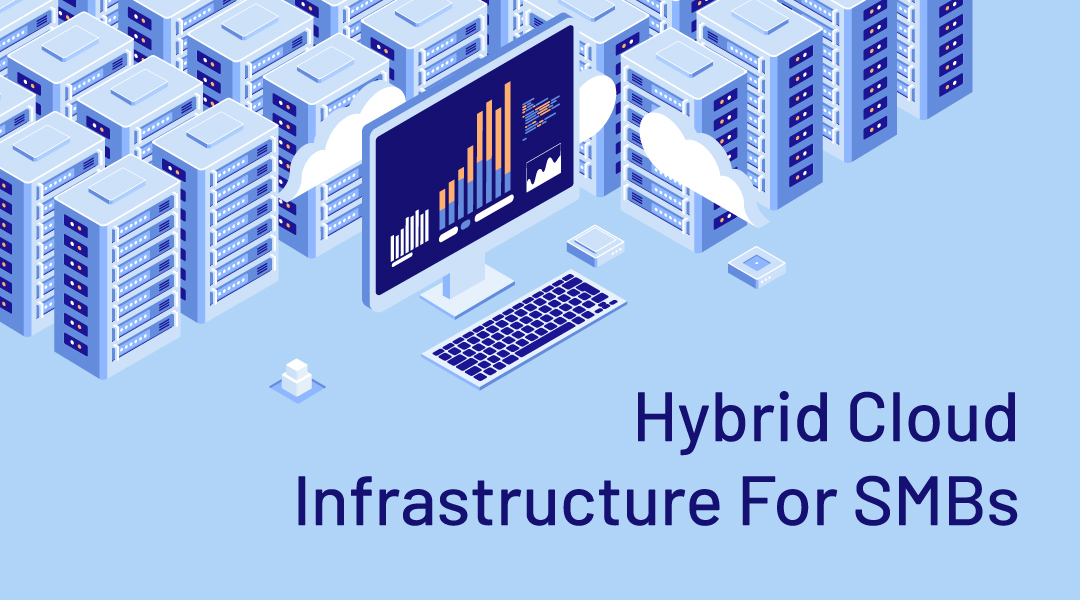
Hybrid cloud is an IT architecture that combines on-premise or private infrastructure with public cloud services.
Private cloud is dedicated infrastructure used by one organization only.
They are used when companies need:
- Predictable long-term costs
- Clear data location control
- Performance optimization for critical systems
- Reduced dependency on foreign providers
For Belgian SMEs, hybrid and private cloud offer a balanced model. Sensitive workloads can remain under controlled infrastructure, while scalable workloads leverage public cloud flexibility.
The key shift in 2026 is workload placement strategy rather than full cloud migration.
Why Is Local Belgian Infrastructure Strategically Important?
Local data centers are infrastructure facilities located in Belgium or within the European Union and governed by EU legislation.
They are used when data sovereignty, legal clarity, and latency control are essential.
In the Belgian market, relying on local infrastructure offers:
- Alignment with Belgian and EU regulatory frameworks
- Reduced geopolitical exposure
- Faster on-site support when needed
- Greater transparency about data location
For SMEs working with public institutions, healthcare organizations, legal firms, or manufacturing supply chains, local hosting strengthens trust and compliance positioning.
In 2026, knowing where your data physically resides is a board-level discussion.
How Is AI Changing SME IT Priorities in 2026?
Operational AI is the integration of artificial intelligence into structured business workflows.
It is used to automate repetitive tasks, enhance decision-making, and improve efficiency.
Belgian SMEs are using AI for:
- Document automation
- Knowledge retrieval
- Security anomaly detection
- Reporting and data analysis
- Process optimization
However, AI depends on controlled and well-managed data environments. Without governance, AI increases legal and operational risk.
This is why AI adoption must follow infrastructure stability and security maturity.
How Should Belgian SMEs Prioritize IT Investments in 2026?
A structured prioritization approach:
- Assess NIS2 exposure and security gaps.
- Audit public cloud cost evolution over the past 24 months.
- Identify workloads suitable for hybrid or private relocation.
- Evaluate local Belgian data center options for critical systems.
- Introduce AI where measurable efficiency gains are realistic.
This order reduces risk while improving cost control.
FAQ. IT Trends 2026 for Belgian SMEs
What is the biggest IT risk for Belgian SMEs in 2026?
Operating fragmented systems without documented security and governance under NIS2 pressure.
Why are Belgian companies moving away from pure public cloud?
Because of rising long-term costs, unpredictable billing, and growing sovereignty concerns.
Is hybrid cloud cheaper than public cloud?
It can be more predictable and cost-efficient for stable workloads over time.
Does NIS2 apply to all SMEs in Belgium?
Not all directly, but many are indirectly impacted through supply chain requirements.
Why are local Belgian data centers relevant?
They provide legal clarity, EU jurisdiction, reduced geopolitical exposure, and stronger compliance alignment.
The defining IT theme in Belgium in 2026 is strategic control.
- Control over cybersecurity under NIS2.
Control over rising cloud expenditure.
Control over data sovereignty.
Control over infrastructure placement.
Control over AI deployment.
Belgian SMEs that design IT with these principles will operate with greater resilience, cost predictability, and regulatory confidence in an increasingly demanding digital landscape.
ITAF helps you regain control.
ITAF is a Belgian managed IT service provider focused on cybersecurity governance, hybrid and private cloud infrastructure, local data center strategy, and structured NIS2 readiness programs for SMEs. This includes risk assessments aligned with CCB guidance, documented security policies, backup validation, endpoint protection, cloud cost optimization, and infrastructure workload design.
Rather than offering isolated tools, ITAF works on architectural design, implementation, and ongoing monitoring. This combination of regulatory alignment, infrastructure control, and operational support positions the organization as a practical implementation partner for Belgian SMEs navigating NIS2 and infrastructure modernization in 2026.